Saturday, August 15, 2026 Facebook | Twitter | Linkedin
Magazine

Mining & Trade News

Malawi Online News
...
Mining

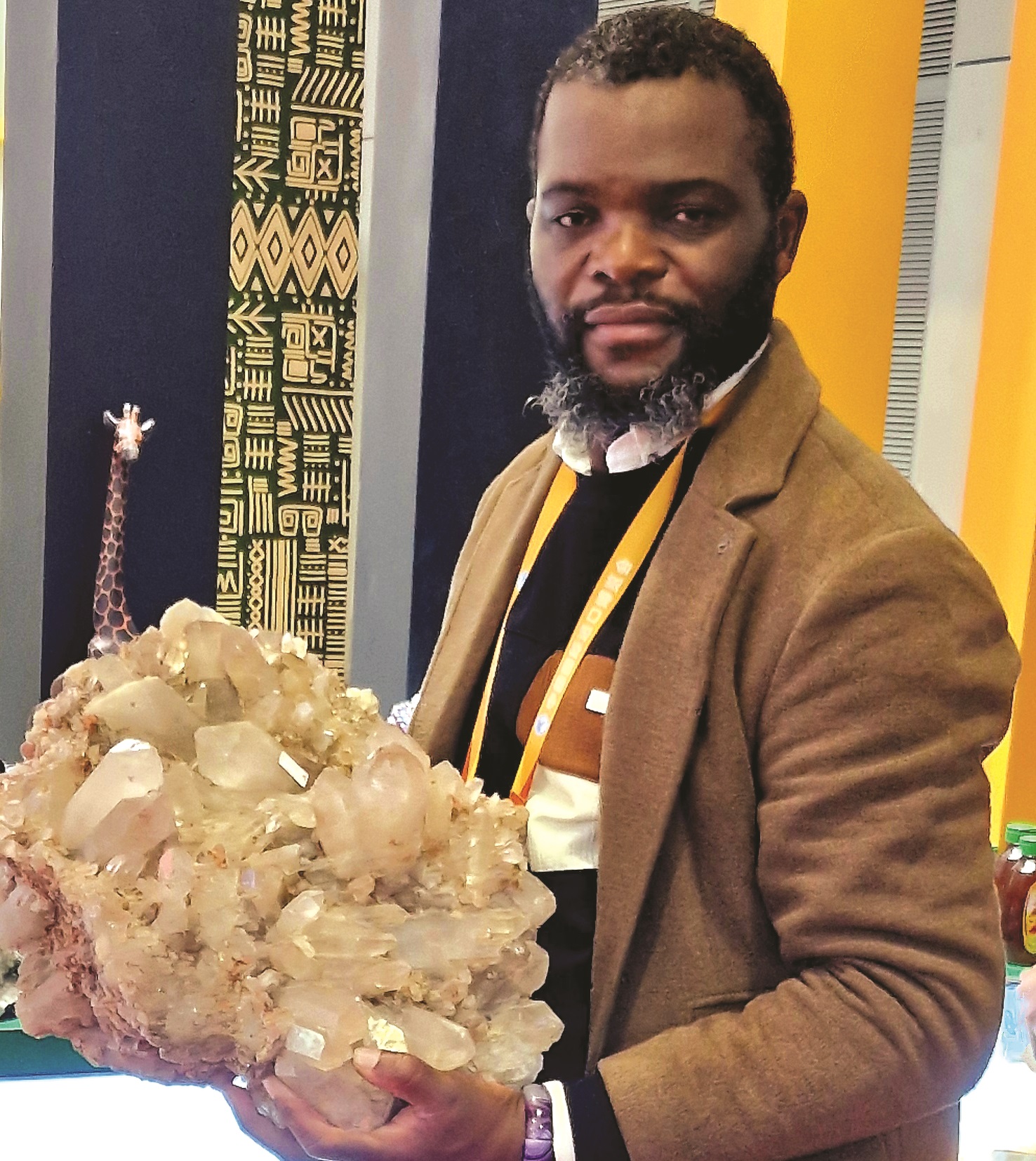
MINING FOR FOOD SECURITY: THE STRATEGIC ROLE OF AGROMINERAL RESOURCES IN MALAWI
August 14, 2026 / with Moses Masingati The author is a geological engineer and exploration geologist with experience in mineral resource exploration and development across Malawi. Contact details: +265 991 24 79 03 Email: masingatimoses@gmail.com
...
Mining

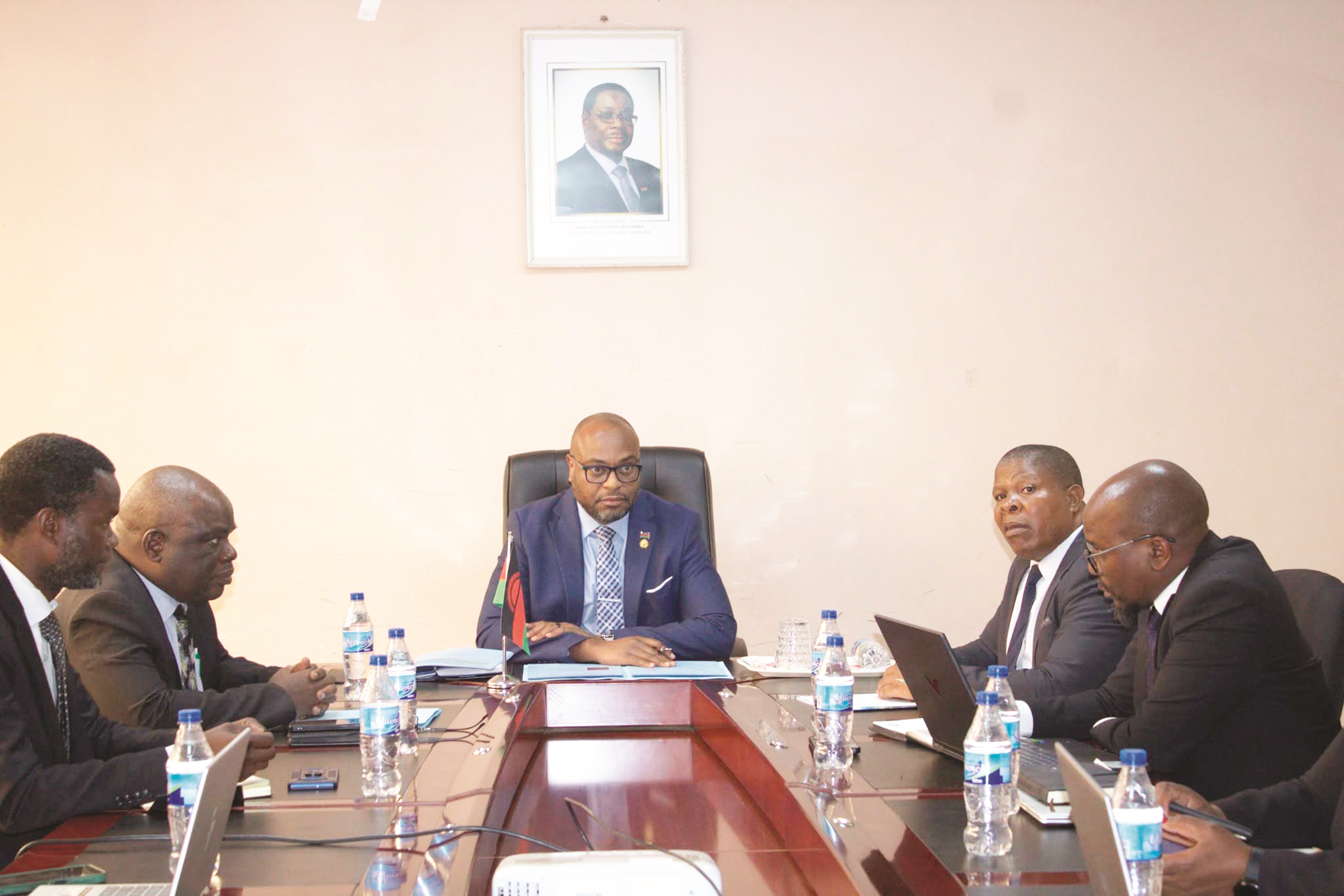
MILITARY INVOLVEMENT IN MINING DRAWS MIXED REACTIONS
August 13, 2026 / Maggie TEMBO
...
Mining

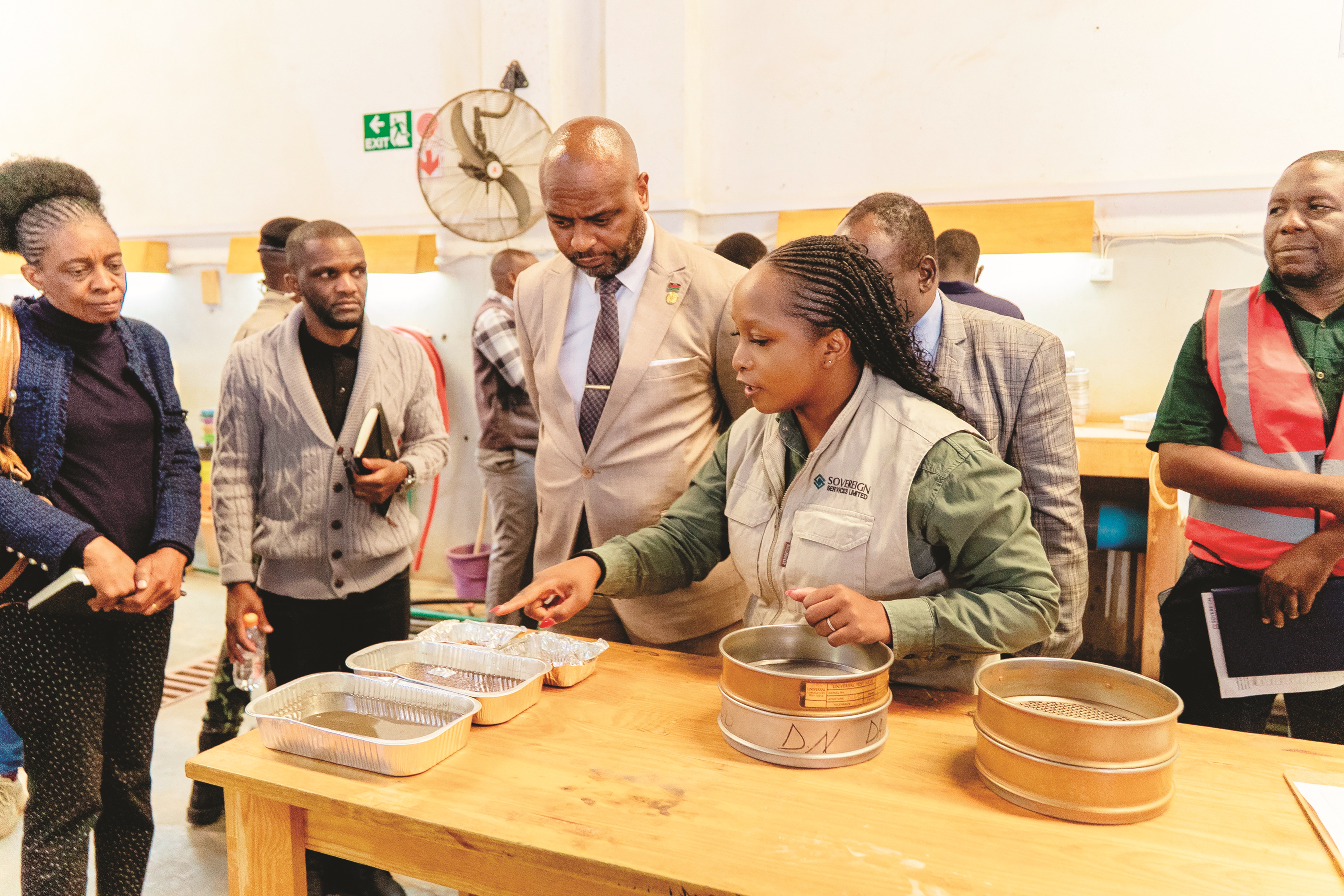
Governing Malawi’s Critical Minerals: Policy Pathways for a Just Energy Transition
August 13, 2026 / Emmanuel Chinkaka, Lecturer and Head of Earth Sciences Department., Malawi University of Science and Technology (MUST)
Business
Mzimba closes markets over Covid-19 threats
March 27, 2020 / Tawonga Nyirenda Mayuni

The Mbelwa District Council has closed second hand clothes and cattle markets in the district as one way of preventing the spread of the global corona virus disease (COVID-19) pandemic into the district.

In a memo addressed toMzimba residents,the Councilsays the ban follows Malawi Government’s declaration ofthe state of disaster due to Coronavirus threat.

“In light of the declaration, Mbelwa District Council, in its full council meeting on March 25, 2020, has introduced a ban to prohibit operations of Salaula markets and cattle markets within the boundaries of Mzimba District forthwith,” reads the memo from the Council.

The ban has been received with regret by vendors in Mzuzuwho have expressed concern over loss of business.

“The ban is a big blow to my business as I usually go to different areas of Mzimba to sell second hand clothes to make money to take care of my family,” says Maria Gondwe, who sells second hand clothes.

Malawi is yet to record a case of the COVID-19 pandemic, which was discovered in the People’s Republic of China in 2019.

COVID-19 is affecting 199 countries and territories around the world and one international conveyance (the Diamond Princess cruise ship harbored in Yokohama, Japan).

Information from the World Health Organisation indicates that most people infected with the COVID-19 virus will experience mild to moderate respiratory illness and recover without requiring special treatment but older people, and those with underlying medical problems like cardiovascular disease, diabetes, chronic respiratory disease, and cancer are more likely to develop serious illness.

The best way to prevent and slow down transmission is to be well informed about the COVID-19 virus, the disease it causes and how it spreads.

To protect oneself and others from infection, it is recommended to wash hands or use an alcohol based rub frequently and avoid touching the face. 

The COVID-19 virus spreads primarily through droplets of saliva or discharge from the nose when an infected person coughs or sneezes, so it’s important that one also practices respiratory etiquette (for example, by coughing into a flexed elbow).

Currently, there are no specific vaccines or treatments for COVID-19. However, there are many ongoing clinical trials evaluating potential treatments.

Tourism
Malawi Govt. seeks investor to manage Lifupa Lodge.
March 25, 2020 / Percy Maleta

The Malawi Government is scouting for investors to manage Lifupa Ecotourism Lodge in Kasungu National Park in a long term concession agreement.

Malawi’s Department of National Parks and Wildlife is, currently, requesting for expressions of interest from investors to take over management of the lodge complemented by a campsite, which accommodates 35 visitors and three existing tents.

“What adds to the beauty of the Lodge is the presence of Lifupa Damfacing the chalets and bar; reception and its information room,” says the Department in a Press Statement.

It states that among the recent additions at the site is a swimming pool within its vicinity, and the lodge has also staff houses including the Lodge Manager’s house.

The lodge is currently running at around 15 to 25% occupancy rate, which is on the lower side.

The Department says the objectives of the concession include to produce a tourism product within the framework of sustainable and responsible tourism for the optimum benefit of the stakeholders; rehabilitate the lodge facilities to the required standards so that the lodge remains attractive for ecotourism;improve revenue collection for the park; and help achieve conservation of the natural resources in and around the site and activity areas.

The concessionaire is expected to assess extent of damage on Lifupa lodge facilities, compile a report on the damage and recommend appropriate interventions, and cost the proposed interventions and finance and rehabilitate the facilities.

The Department says the preferred concessionaire should have at least three years’ experience in managing and operating an ecotourism lodge or related ecotourism ventures in protected areas, two years’ experience in ecotourism business marketing, well qualified staff, and experience in wildlife conservation and ecotourism development.

Cartoon
March cartoon
March 18, 2020 / Admin
Energy
German firm to review Kammwamba Power Plant Study
March 17, 2020 / Madalitso Mhango

Electricity Generation Company of Malawi (EGENCO) has contracted German Company Fichtner GmbH to execute consultancy services to review and update the feasibility study for Kammwamba Coal Fired Power Plant in Neno.

EGENCO says in a statement that Fichtner emerged a preferred consulting firm for the assignment after submitting a Unit Price for the contract of 925,536 Euros.

The Company says unsuccessful bidders wishing to request for a debriefing session may submit their request in writing before March 24, 2020.

The Kammwamba project, which is expected to utilize coal imported from Mozambique’s Moatize Coalfield, is designed to produce 300MW of electricity.

Fichtner is the leading independent engineering and consulting company for the energy and technical infrastructure projects in Germany.

Fichtner technical discipline includes completing in-house engineering of hydropower plants of all types and capacities, comprising feasibility studies, design, procurement and site supervision both Greenfield and rehabilitation among other activities.

Initially, Government tried to engage China Gezhouba Group of company to construct the coal fired power plant with funding from Export and Import (Exim) Bank of China.

Currently EGENCO operates four hydro power stations, Nkula, Tedzani, Kapichira and Wovwe.

It has total installed capacity of 372.64MW with 350.94MW from hydro plants and 21.7mw from standby diesel powered plants.

EGENCO was established following the unbundling of Electricity Supply Corparation of Malawi (ESCOM).

Energy
Kutsaira pushes for more power generation projects in Southern Africa
March 06, 2020 / Wahard Betha

Minister of Natural Resources, Energy and Mining Bintony Kutsaira has stressed the need for the Southern Africa Power Pool (SAPP) member states to develop more power generation projects to ensure that the region has adequate power to support economic development.

Kutsaira made the remarks when he officially launched this year’s 54th SAPP meetings in Lilongwe.

He said the generation of adequate power can spearhead development projects that help in boosting economies in the Southern Africa Development Community (SADC) member states where power shortfalls are rampant.

He said: “In order to keep pace with developments taking place in our countries, it is incumbent upon us, as countries, to invest in electricity supply infrastructure more-so to avoid power deficits in future.”

“The SADC region’s economies are continuing to grow in fulfilment of the SADC industrialisation thrust and hence the region needs more power.”

Kutsaira encouraged experts in the energy sector to continue applying their efforts to harness solutions that will keep the lights on, commerce ticking, industry running and agriculture flourishing even in these challenging environments.

He stressed that electricity remains one of the critical driving forces for economic development and that the experts are at the centre of making it work.

Kutsaira urged SAPP to put in place enough measures to attract independent power producers (IPPs) to invest in the region.

He said it is a welcome development that SAPP already started enticing IPPs through revising membership categories to allow IPPs to participate in electricity trading in SAPP.

“I, therefore, urge you, SAPP member states, to continue to cooperate with these new players so that together you pursue the goal of providing reliable, sustainable and affordable power to all our citizens in the SADC Region,” he said.

Kutsaira also said Malawi is looking forward to becoming a beneficiary of SAPP through the Mozambique-Malawi Power Interconnector Project which is on course.

ESCOM CEO Alexon Chiwaya said Malawi is ready for the interconnector having improved its transmission and distribution infrastructure using financing from the Millennium Challenge Corporation (MCC) of the US Government.

“Through the MCC Malawi Compact, we recorded an improvement in the system infrastructure including: construction of 200MVA 400/132kV Phombeya and Nkhoma Substations and; a 400kV transmission line from Phombeya to Nkhoma,” said Chiwaya.

The Phombeya Substation will be the landing point for the 400kV Mozambique-Malawi Interconnection whilst the Nkhoma Substation will be the landing point for the 400kV Zambia-Malawi Interconnection.

He also thanked the World Bank for the financial support rendered through the Energy Sector Support Project (ESSP) which greatly assisted in the reinforcement of the transmission and distribution networks.

SAPP has nine interconnected countries, with a commitment to connect the remaining three member countries, namely Angola, Tanzania and Malawi 

Business
Standard Bank forecasts continued macroeconomic stability in Malawi
March 05, 2020 / Madalitso Mhango

Standard Bank Group says it expects macroeconomic stability to continue in Malawi in 2020 on the back of normal agricultural season that would support the local currency and sustain low and stable inflation and interest rates.

“We remain committed to ensuring customer satisfaction in all we do. The Group will continue to focus and drive digitisation in order to improve customer experience,” says the Bank in its audited financial results for the year ended December 31.

The Group says it will continue investing for the future while prudent management of risk and liquidity, diversifying balance sheet and maintaining a healthy capital position remains at the core of its operations.

Standard bank registered a profit of about MK15.9-billion for the year, 50% more than the profits for the previous year due to an increase of 12% in the net interest income.

Growth in customer loans and advances was at 32% year on year while financial investments grew by 18%.

“Customer deposits grew by 6% which has contributed to the growth of interest earning assets,” says the Group.

The Group has, however, experienced subdued net interest income due to the declining net interest margins as a result of a decrease of the base lending rate in 2019 to 12.55% from 23% in 2018 while non-interest revenue was at 3% above the prior year due to growth in transaction volumes.

Credits impairments were 62% below prior year due to the declining in the size of the non-performing loan book.

It says: “The decline in credit impairments was due to the Group’s focus on robust credit risk management practices.”

“The group will continue to place emphasis on recoveries of loans previously written off.” On economic highlights, headlines inflation averaged 9.4% in 2019 which was higher than 2.9% registered in the previous year while food inflation remained in double digits and closed in December 2019 at 19.3%.

The Malawi Kwacha continued to lose ground against the United States dollar during 2019 on the back of excess local demand for the foreign currency as the policy rate remained relatively stable in the year closed at 13.5%. As the Standard Bank Group continued to focus on diversifying its revenue base and cost management, earnings per share for the year increased from MK45 to MK68 in 2020.

Energy
ESCOM to host regional power pool meeting
March 02, 2020 / Wahard Betha

The Electricity Supply Corporation of Malawi (ESCOM) will on March 3 to 5, 2020 host the 54th Southern Africa Power Pool (SAPP) meeting at Bingu International Convention Centre in Lilongwe.

A press statement released by ESCOM says that the meeting will attract local and foreign key stakeholders to deliberate on issues hindering power generation and supply in the southern part of Africa.

“This Meeting will draw together about 150 experts from 12 member states in the Southern Africa Development Community (SADC) to discuss issues affecting the electricity sector, such as planning, operations, power trading and environment,” reads the statement.   

The meeting comes at a time ESCOM is working on the construction of the Mozambique-Malawi Power Interconnector which will cement its place as an operating member of the power pool.

Escom considers membership of the power pool which will enable Malawi to share electricity with other SADC member states as an opportunity to ensure continuous supply of power amid numerous climate change related challenges that are disrupting supply forcing the utility to supply only 351 MW against a peak demand of 500 MW.

Malawi power supply challenges include flooding that results in siltation and low water levels which reduce capacity of electricity generation equipment.

Through the power pool, Malawi also hopes to start exporting electricity to the region in future as the Electricity Generation Company (EGENCO) is pursuing several projects to increase its power supply capacity.

The projects on the cards include expansion of Wvowe Mini Hydropower Scheme from 4.5 MW to 9MW; the 20MW solar power project at Nanjoka in Salima, the 180MW Songwe Hydropower Project on Songwe River; the 138MW Kholombidzo Hydroelectric Power Plant on Shire River, the 309MW Mpatamanga Hydro Power Plant and a Coal Fired Plant.

SAPP was created in August 1995 at the SADC summit in Kempton Park, South Africa, when member governments of SADC (excluding Mauritius) signed an Inter-Governmental Memorandum of Understanding (MoU) for the formation of an electricity power pool in the region under the name of the Southern African Power Pool.

The Ministers responsible for energy in the SADC region signed the Revised Inter-Governmental MoU in February 2006.

SAPP was organized under the visions of: facilitating the development of a competitive electricity market in the SADC region; giving the end user a choice of electricity supplier; ensuring that the southern African region is the region of choice for investment by energy intensive users and; guaranteeing sustainable energy developments through sound economic, environmental and social practices.

The body serves to provide a forum for the development of a world class, robust, safe, efficient, reliable and stable interconnected electrical system in the southern African region; coordinate and enforce common regional standards of quality of supply, measurement and monitoring of systems performance; facilitate the development of regional expertise through training programmes and research and; increase power accessibility in rural communities.

The SAPP is governed by four agreements: the Inter-Governmental Memorandum of Understanding which enabled the establishment of SAPP; the Inter-Utility Memorandum of Understanding, which established SAPP’s basic management and operating principles; the Agreement between Operating Members which established the specific rules of operation and pricing; and the Operating Guidelines, which provide standards and operating guidelines.

The SAPP has twelve member countries represented by their respective electric power utilities organized through SADC.

SAPP has four working committees: the Environmental Sub-Committee, the Markets Sub-Committee, the Operating Sub-Committee and the Planning Sub-Committee under a Management Committee which in turn reports to the Executive Committee.

Business
Illovo Sugar registers profit decline in Malawi
February 28, 2020 / Bester Kayaye

Illovo Sugar Malawi has registered a 61.2% Net profit decline for the year ended August 31, 2019 with the company recording K10.08-billion profit against K16.45-billion profit recorded in previous 2018 financial year.

This was revealed during the company’s annual general meeting held on Thursday, February 27, 2020 at Ryalls hotel in Blantyre.

MD Mark Bainbridge told Mining and Trade Review that challenging market conditions, such as pre- and post-election unrest and continued illegal sugar importation has exacerbated the decline in cash flow.

Bainbridge said: “Fundamentally we have faced a stiff market environment in domestic sales in the year ended, as there has been increased competition on the market base due to influx of low priced sugar illegally imported from bordering countries.”

“Despite intensive support from the Malawi Revenue Authority (MRA) which had run several search and confiscation operations coupled with sensitisation programmes aimed at halting illegal practices, export quality and pricing constraints have also impacted the company’s operations throughout the season”.

However, he said that in a quest to counter some of the registered and projected business shocks, the firm’s commercial and logistics teams adapted a revised strategy to enhance sugar direct deliveries to customers and have also embarked on consumer promotional and activation initiatives and optimised portfolio.

On prospects, Bainbridge said the company is expecting normal weather patterns and improvements in power generation to have a positive impact on the agricultural output and factory throughput, as the company is also set to enact strategies to turnaround financial and operational stability to the smallholder sugarcane farmers.

“The business will continue its various initiatives in the local direct consumption market and extend the delivery footprint to the wider consumer market,” he said.

During the AGM, the company also announced that it has opted not to pay dividends to its shareholders for the year ended because management has prioritised debt reduction and other initiatives such as revenue and volume enhancement strategies to secure business development and sustainability through reduction in the overall cost of sugar production.

But a representative of Minority Shareholders Association in the firm Frank Harawa argued that the company has registered a decline in profit because the selling price of the commodity is high on the local market as compared to on the export market.

“To us, it is not reason enough for locals to be paying more for the same commodity which is being sold at a cheaper price on foreign markets, I therefore suggest management lowers prices on the local market allowing many to afford of which in turn it will cushion up business returns and recover costs incurred during exportation process, ” he said.

According to the company’s 2019 report, exchange rates, inflation and interest rate movements and the debt levels of the company continues to have a marked effect on the overall business profitability.

Construction
US$90-million US funded construction of Malawi Schools starts
February 28, 2020 / Tawonga Nyirenda Mayuni

Malawi’s Minister of Education, Science and Technology, William Susuwele, says the Malawi Government has started the construction of 250 Day Secondary Schools in the country under the US funded Secondary Education Expansion for Development (SEED) project.

Susuwele told journalists in Lilongwe that government has also embarked on expansion of 100 Community day secondary schools under the World Bank-funded Equity with Quality Learning at Secondary (EQUALS) project.

The Minister said the aim of the two projects is to address the problem of low transition rate of students from primary school to secondary school due to lack of secondary school infrastructure.

“I am aware that transition rate from primary to secondary schools remains low. This has been so due to inadequate secondary school infrastructure,” he said

The Minister said with such infrastructure in place, access to education will increase by more than double in four years’ time.

The Minister also announced that government has abolished the quota system of selecting students into public universities. According to Susuwele, the system which has been operational since 1987 has been abolished because of the changes in the education sector, compared to the situation in 1987.

” Since quota was introduced in 1987, the context has changed as we now have reasonable spaces in public universities,” he said

Meanwhile, the ministry has also reintroduced the Junior Certificate Examinations (JCE) on grounds that many students were relaxing after the examinations were abolished which resulted in their failure in the Malawi School Certificate of Education (MSCE). The first JCE examinations will be administered in 2021.