Saturday, August 15, 2026 Facebook | Twitter | Linkedin
Magazine

Mining & Trade News

Malawi Online News
...
Mining

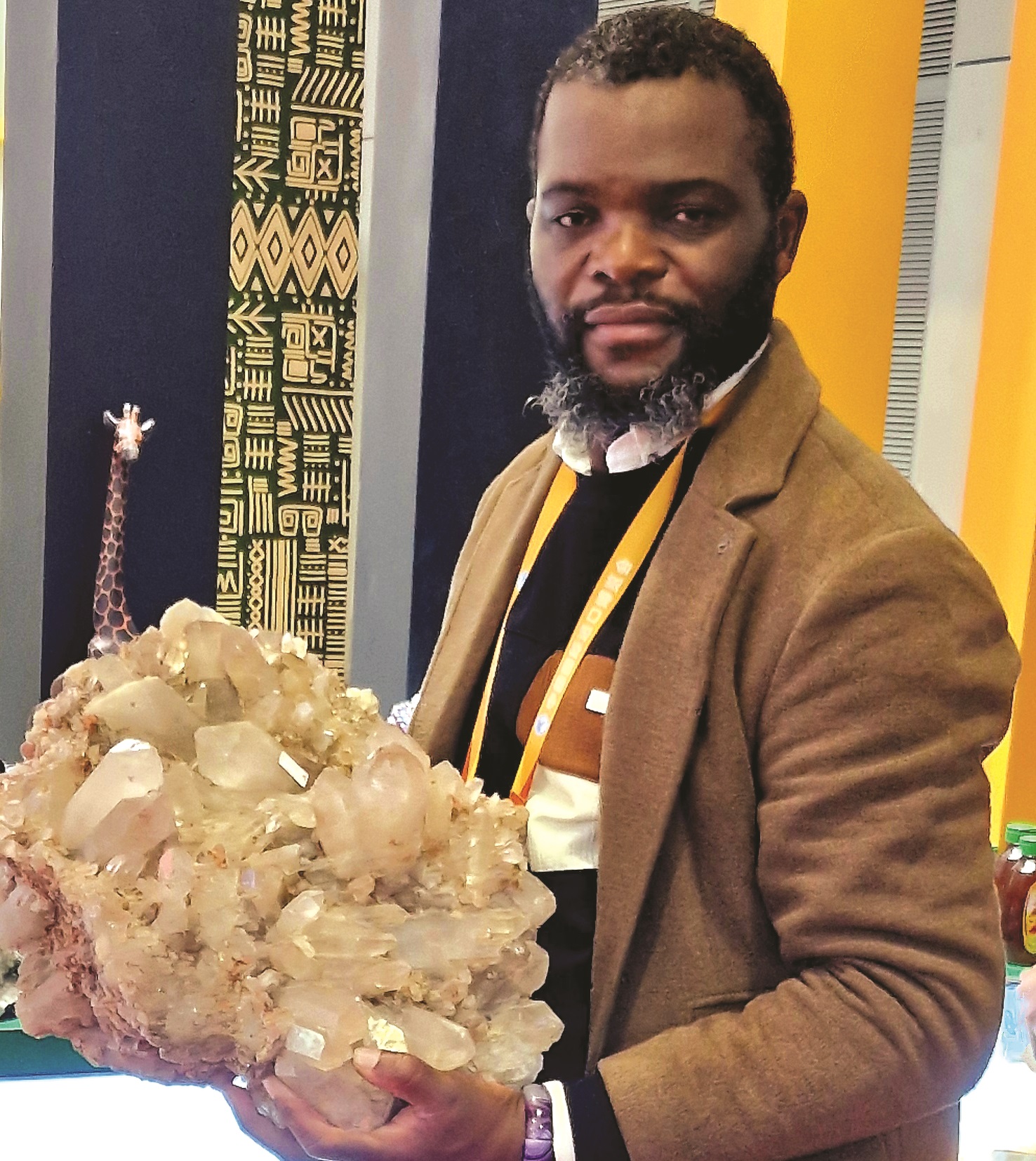
MINING FOR FOOD SECURITY: THE STRATEGIC ROLE OF AGROMINERAL RESOURCES IN MALAWI
August 14, 2026 / with Moses Masingati The author is a geological engineer and exploration geologist with experience in mineral resource exploration and development across Malawi. Contact details: +265 991 24 79 03 Email: masingatimoses@gmail.com
...
Mining

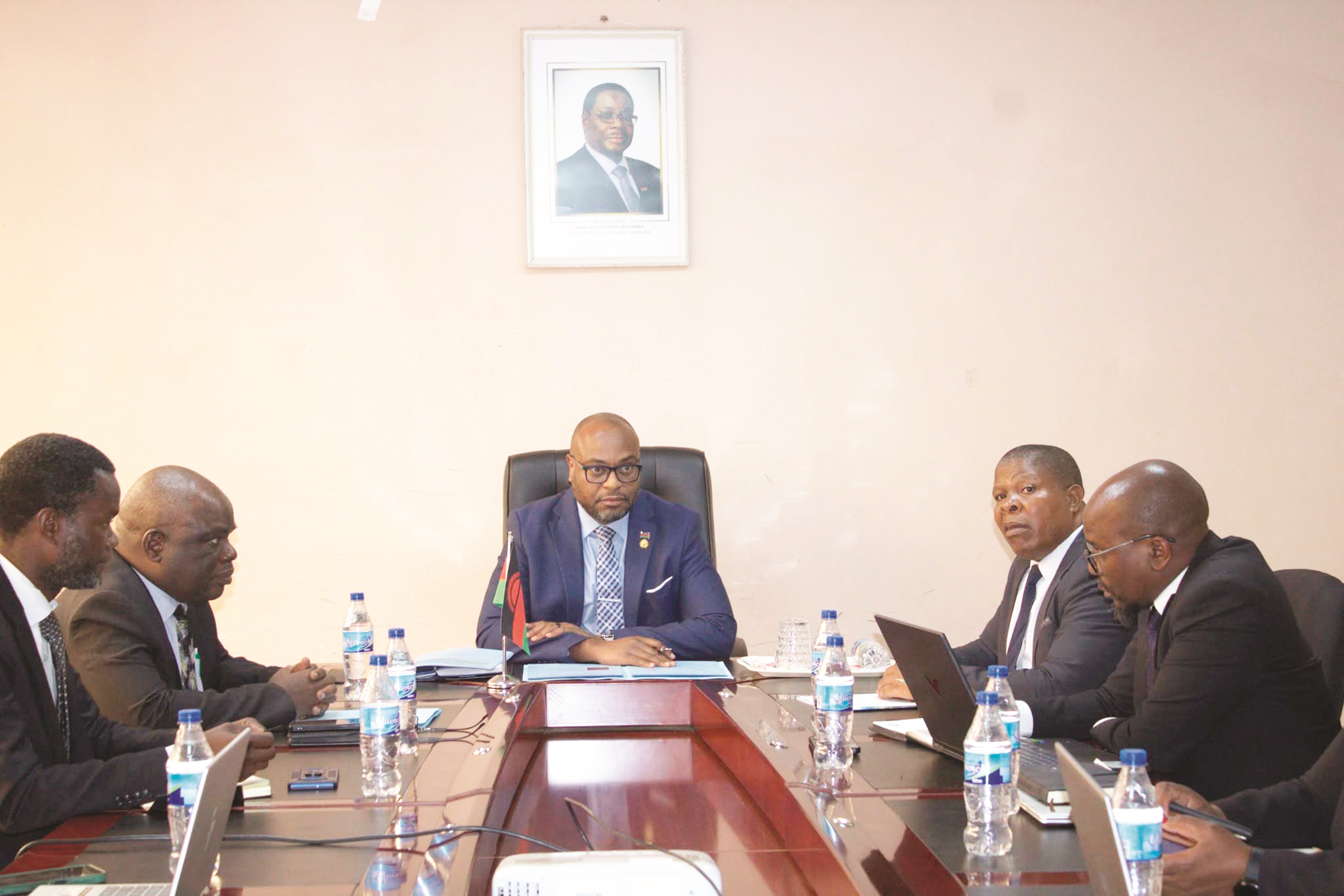
MILITARY INVOLVEMENT IN MINING DRAWS MIXED REACTIONS
August 13, 2026 / Maggie TEMBO
...
Mining

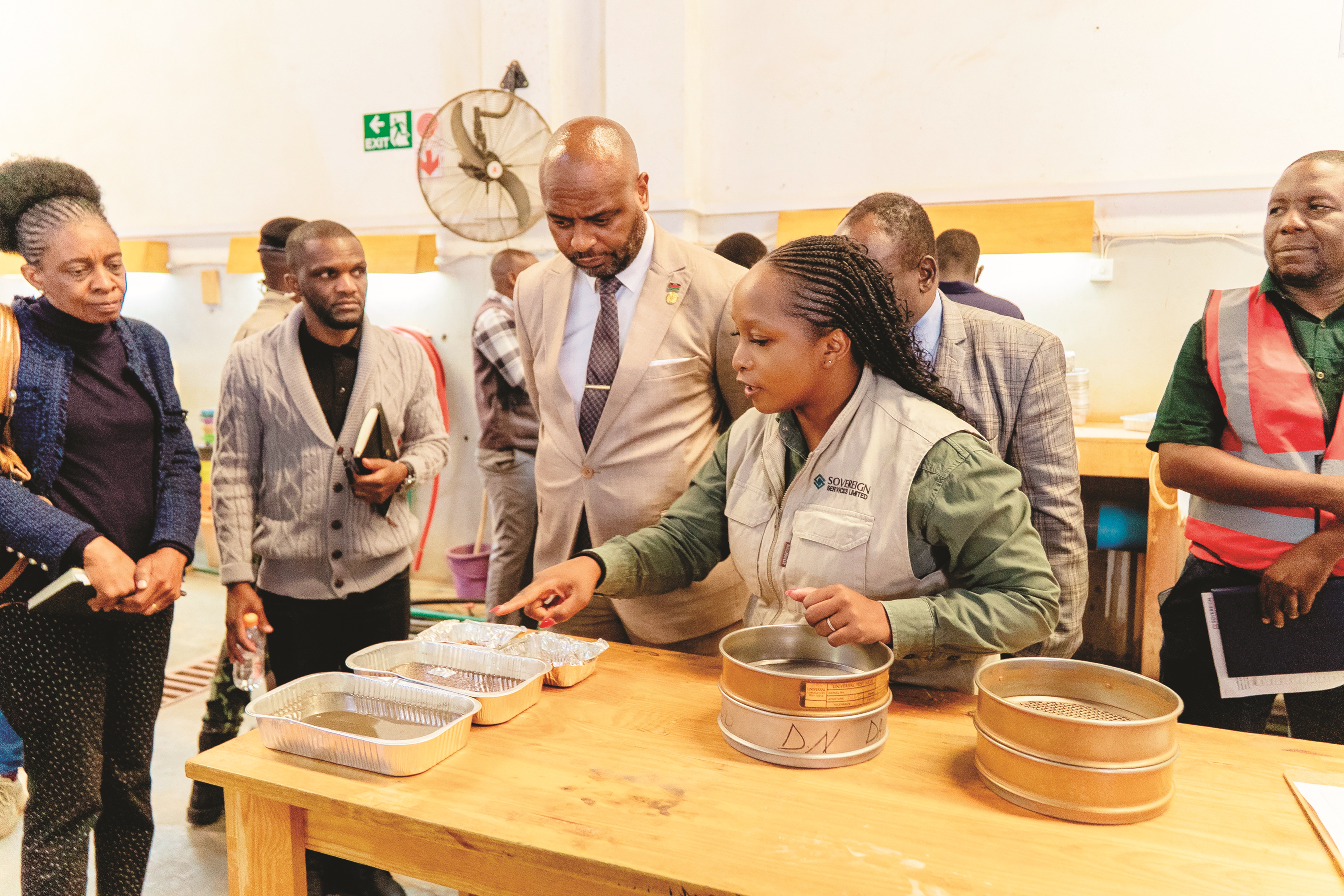
Governing Malawi’s Critical Minerals: Policy Pathways for a Just Energy Transition
August 13, 2026 / Emmanuel Chinkaka, Lecturer and Head of Earth Sciences Department., Malawi University of Science and Technology (MUST)
Energy
European consortium prequalified as strategic partner for Malawi’s 350MW hydropower project
June 17, 2020 / Wahard Betha

Malawi has prequalified a consortium comprising SN Power Invest Netherlands B.V and Electrite De France SA (SN Power and EDF SA) as a strategic partner for the construction of the 350MW Mpatamanga Hydropower Project on Shire River.

Malawi’s Public Private Partnership Commission (PPPC) Acting CEO Audrey Mwala says in a Press Statement that after successfully passing the prequalification stage, the consortium has subsequently been invited to submit a proposal.

“During the next and final phase of the tender process, the bidder will be required to submit a proposal that demonstrates, to the Government’s satisfaction, the bidder’s capability and commitment to implement a project that is reliable and affordable for the people of Malawi,” says Mwala.

The Malawi Government intends to develop the 350MW hydropower project under a Public Private Partnership (PPP) project finance development model which will require the selected investor to form a special purpose vehicle to build and operate the power plant.

The strategic partner is expected to have 70% shareholding in the project while state-owned Electricity Generation Company (EGENCO) will retain 30%.

Mwala says a total of the 15 firms submitted expressions of interest for the project but the two European energy firms were prequalified after they teamed up and submitted a joint bid as a consortium.

The Project will consist of two hydro power plants: a main power plant, main dam and reservoir with daily storage capacity capable of generating 309MW of electricity on a peaking basis; and a regulating dam with a hydro power plant capable of generating 41MW of base load electricity, downstream from the main reservoir and power plant.

The Malawi Government partnered with the World Bank’s International Finance Corporation (IFC) as co-developer to undertake early stage development activities for the Project, including the preparation of Project Agreements, technical, environmental, and social studies and reports.

A comprehensive World Bank-financed feasibility study for the project was completed in 2018.

The Malawi Government conducted the PPP feasibility study under the PPP Act, whose report was approved by the Ministry of Finance on October 31, 2019.

Construction
Malawi Govt. plans to construct new water supply schemes
June 16, 2020 / Nelson Gonjani

The Malawi Government has planned to construct new water supply schemes while it continues with rehabilitation and extension of existing ones.

State President Arthur Peter Mutharika said this in his state of the nation address during the opening of the ongoing parliamentary budget meeting.

“Government will continue with construction of new water supply systems, rehabilitation and extension of existing schemes through the various projects currently under implementation but also introduce new projects to start in the upcoming financial year,” he said.

He said the projects include completion of the rehabilitation of six gravity fed schemes under the Sustainable Rural Water Supply and Sanitation Project, rehabilitation of Nkhatabay Water Supply System and construction of New Water Source on the Shire River for Blantyre Water Board.

Mutharika said in the forthcoming Financial Year, Government plans to rehabilitate seven gravity fed schemes and rehabilitate 560 boreholes under the Malawi Drought Recovery and Resilient Project in 19 drought affected districts.

He said in the last financial year, his government carried out the rehabilitation of 12 gravity fed schemes, development of 450 boreholes and construction of 266 sanitation facilities in schools, market centers and health centers in Rumphi, Nkhotakota, Phalombe, Mangochi and Ntcheu under the Sustainable Rural Water and Sanitation Infrastructure Project and the Malawi Drought Recovery and Resilience Project.

Mutharika said his government drilled 440 boreholes bringing the total number to 545 across all the 19 drought affected districts.’’

The government also completed the construction of a new water supply project tapping water from Likhubula River in Mulanje to supply Blantyre City. The scheme brings an additional 20,000 cubic meters of potable water to the city of Blantyre and surrounding areas.’

He said his government also continued with construction works to raise Kamuzu Dam 1 under Lilongwe Water Board and completed the rehabilitation and expansion of Dowa, Dwangwa, Salima and Ntchisi Schemes under Central Regional Water Board.

Energy
Procurement of EPC Contractor for Mozambique-Malawi power interconnector progresses
June 15, 2020 / Bester Kayaye

The Malawi Government says procurement of an Engineering, Procurement and Construction (EPC) contractor for the Mozambique-Malawi power interconnector will be finalized by December 2020.

“Under the Malawi-Mozambique Interconnector Project, the two power utility companies, ESCOM Ltd and EDM of Mozambique negotiated   and   signed   commercial agreements, including the Power Purchase Agreement. The procurement of the EPC Contractor is underway and is expected to be finalised by December, 2020,” said Minister of Finance, Economic Planning and Development Joseph Mwanamveka in his presentation of the 2020/2021 national budget.

Mwanamveka said preparations for feasibility studies for the construction of the Zambia-Malawi Power Interconnector are also underway on the Zambian side and will be used to update the feasibility study report on the Malawian side which was done a few years back.

The Malawi Government is also developing a 350MW hydropower project at Mpatamanga gorge on the Shire River under a Public Private Partnership arrangement.

Mwanamveka said currently, the process of identifying the main private investor is in progress and is expected to be completed by September, 2020.

He also said in the 2019/2020 fiscal year, Government established a new company called Malawi Power Market that will replace ESCOM as a single buyer of all generated electricity.

“This company will enable other players to enter into the power market as distributors,” he said.

He said in the near term the sectors that will drive growth include Agriculture; Wholesale and Retail trade; Mining and Quarrying; Electricity, Gas and Water; Information and Communication; and Financial and Insurance Services.

The Ministry of Finance and Economic Development has allocated K61.4 billion to boost operations of Energy, Industry and Tourism sectors representing 3% of the total budget in the 2020/2021 fiscal year.

Malawi’s 2020/2021 budget is titled “Economic Recovery, Mitigation and Building Resilience” and its priority areas include Economic growth, job Creation and Infrastructure Development.

In the Budget, the Minister has pegged country’s expenditure for the year 2020/2021 at K2.023 trillion representing 28.3% of GDP and an increase of 9.9% over the 2019/2020 midyear revised estimate.

Column
Application of Medical Geology as an Interdisciplinary field in Geosciences
June 12, 2020 / Ignatius Kamwanje

Medical Geology is defined as the science dealing with the relationship between geological factors and health problems in humans, animals and plants. It is an emerging interdisciplinary scientific field studying the relationship between natural geological factors and their effects on human and animal health.The Commission on Geological Sciences for Environmental Planning defines medical geology as, “The science dealing with the influence of ordinary environmental factors on the geographical distribution of health problems in man and animals. There is a body called The International Medical Geology Association (IMGA) which aims at providing a network and a forum to characterize the properties of geological processes and agents, the dispersal of geological material and their effects on human populations and there are a series of conferences called MEDGEO that are held by IMGA once in every two years.

1.Branches of Medical Geology
Medical geology can be split into two primary branches based on the number and variability of element sources within the environment. The first branch is strictly related to the natural occurrence of elements in the geologic environment (e.g., ingestion of food grown in soils with either element deficiencies or toxicities), whereas the second branch relates to elemental occurrence relative to natural hazards (e.g., earthquakes, volcanic eruptions, flooding and landslides)

2.Geology
The geology of an area has a direct impact on the regional input of elements into the soil, air and water. In turn, these inputs, depending on composition, may result in adverse health effects in humans, animals and/or plants. Health issues related to a region’s geology are visible in both humans and animals on almost every continent. The diverse geographical and geochemical source of human foods in developed nations creates a “homogenized diet” reflecting materials grown on a range of soil types, each with different chemical characteristics and potentially imported from a number of countries. As a result of this complex sourcing mechanism, element deficiencies or toxicities are generally rare in regards to dietary intake. Additionally, element imbalances in the soil are often amended before the growth of crops, thus eliminating any subsequent problems. Thus, trace element deficiencies and/or toxicities that are a result of geological conditions are much easier to identify in animals and people in developing countries since much of the food and water ingested is obtained directly from the surrounding environment.

According to Davies T.C.2010, a large body of evidence points to signi?cant health effects resulting from our interactions with the physical environment and we continue to recognize connections between geological materials and processes and human and animal disease. In Africa, these relationships have been observed for many years, but only recently have any real attempts been made to formalize their study. Africa is a continent with a diverse geography, characterized by a range of altitudes, a peculiar hydrological network created in part by the formation of the Great Rift Valley on the eastern ?ank and arid lands typi?ed by the Sahara and the Mega Kalahari. Volcanic activity accompanying rifting and formation of most of the highlands and mountains has released various trace elements, mostly above background levels, into the environment. A unique distribution pattern of these elements has developed in more recent geological times, following pronounced separation due to extreme tropical conditions of weathering, leaching and eluviation. It is therefore possible to delineate large areas of the continent containing element de?ciencies or toxicities, which are closely related to the local geology and/or geographical location. In a region where rural communities are still largely dependent on water and food sources that are locally derived, the above setting provides an attractive opportunity for studying the in?uence of geochemical factors on the distribution of diseases in man and animals.

3.Selected Studies on Medical Geology
There are various studies on medical geology which include, but not limited to environmental geochemistry and human health, water and human health, soil pollution and remediation, atmosphere pollution and human health. Studies associated with analytical methodology, medical geology in toxicology and epidemiology, medical geology, public health and regulatory sciences just to mention but a few. The geology and tectonic characteristics constitute an appropriate environment for the presence of toxic and heavy metals. The rapidly expanding field of medical geology deals with the relationships between natural geological factors and health, both human and animal. It also aims to improve our understanding of the ways in which the geological environment has an impact on the geographical distribution of health problems. There have been books from the work of various cross cutting geoscientists and medical/public health researchers that have addressed health problems caused, by geological materials ( atmospheric dust, lapilli tuffs/volcanic ash,minerals, rocks, and water) and processes earthquakes). Among the environmental health problems discussed in the volume are: human and animal exposure to toxic levels of trace essential and non-essential elements such as mercury, arsenic, trace element deficiencies; exposure to natural dusts and to radioactivity; naturally occurring organic compounds in drinking water; and the effects of volcanic emissions. Examining the positive side of the equation as well as the negative, the book also deals with the many health benefits of geologic materials and processes. It provides examples from different continents as well as a state-of-the-art review of the latest developments in the medical geology. The authors are all recognized geoscientific and medical experts working in the fields of geology, geochemistry, pathology and medicine, veterinary, biology etc.

In trying to highlight an example where medical geology has made an impact, there have been high levels of geogenic cadmium (Cd) found in some soils of Jamaica, particularly in the central part of the island. The potential health impact on residents who consumed foods grown on these soils was determined and food which have shown the greatest affinity for Cadmium uptake are mainly green leafy ones. Besides, the tropical terrains of the Indian subcontinent and the neighboring regions also provide some of the best examples in medical geology where the impact of the geosphere on human health is markedly seen and identified. The impact of the natural environment on human health has been a subject of study in China for thousands of years to date. China’s varied geology and geography and its large population living off the land have resulted in the presence of virtually every known environmental health problems related to medical geology.

There is a close relationship between medical treatment and geology. Worldwide, there are more than 10 million new cancer cases each year, and cancer is the cause of approximately 12% of all deaths. Given this, a large number of epidemiologic studies have been undertaken to identify potential risk factors for cancer, amongst which the association with trace elements has received considerable attention. Trace elements, such as, arsenic, cadmium, selenium, zincand nickel, are found naturally in the environment, and human exposure derives from a variety of sources, including air, drinking water, and food. Trace elements are of particular interest given that the levels of exposure to them are potentially modifiable. In this review, we focus largely on the association between each of the trace elements noted above and risk of cancers of the lung, breast, colorectum, prostate, urinary bladder, and stomach. Most studies have reported no association between selenium and risk of breast, colorectal, and stomach cancer, and between zinc and prostate cancer risk. There is compelling evidence in support of positive associations between arsenic and risk of both lung and bladder cancers, and between cadmium and lung cancer risk.

In another example where medical geology has been applied is the increasing use of pesticides and chemical fertilizers, especially the fertilizers with nitrates compounds, which have been common for the increased production of agricultural crops, has caused the nitrate pollution in the (soil, water, and environment). They have caused a lot of damage to humans and animals. Accumulation of nitrates in different kind of vegetables such as; green pepper, tomatoes, egg plants, watermelon, cucumber, and red pepper have been studied in some geographical areas and analysis of the samples was sent to the soil and water laboratory. The final results from the chemical analysis of samples showed that the mean levels of nitrates from the samples of the fruit crops in the those areas were all lower than the critical levels but from nutritional point of view it is argued that these quantities of dry matter do not constitute a health problem in humans.

In ecotoxicology and Environmental studies carried out in fast developing cities in China, risks related to heavy metal pollution in urban construction dust fall were highlighted. There is high metal pollution levels of road construction, there is a significant correlation of lead and zinc metals in road construction dust. The studies also showed that metals in construction dust fall pose higher ecology risks even at Wuhan.

All of the above studies show that knowledge of geology and geomorphology is essential to understanding, and thus eradicating, or preventing, a range of environmental health problems.

Tourism
APM outlines plans to cushion tourism sector
June 11, 2020 / Wahard Betha

The Malawi Government has announced plans to cushion the country’s tourism sector which has greatly been hit by the coronavirus (Covid-19) pandemic.

Speaking during the opening of the 2020/2021 budget meeting of parliament in Lilongwe, State President Arthur Peter Mutharika said the plans include suspension of 1% Tourism Levy on tourism goods and services consumed;general deferment of business loan repayments; and encouraging voluntary pay cuts in the sector to sustain existing jobs.

Mutharika also said his government is developing a bailout fund to support the tourism sector.

He said in order to build resilience in post-COVID-19 period, Government is developing a National Tourism Crisis Management Strategy and Plan for effective coordination of crisis management in the sector.

He said: “Government will soon undertake a comprehensive review of the Tourism and Hotels Act to among others, establish a semi-autonomous Tourism Authority.”

“Government will also develop a Tourism Master Plan and carry out a feasibility study for the development of Nankumba peninsular as a tourism hub.”

Mutharika stressed that tourism remains a priority sector and a vehicle for economic growth and wealth creation though the emergency of the pandemic has adversely affected the sector’s contribution towards Gross Domestic Product (GDP).

He said: “The anticipated financial and job losses in the sector are huge and likely to worsen should the pandemic persist.”

“However, in order to mitigate the impact of the pandemic, Government is implementing measures to ensure that the sector is back on track and our economy is breathing normally.”

On trade and industry development, Mutharika promised continued reforms in the sector to facilitate an enabling environment for investments.

He pointed out that his government has already successfully implemented other reforms in the sector including the introduction of Electronic Permit (E-permit) System that has reduced the time it takes to obtain various permits such as Business Residence Permit and Temporary Employment Permit from six months to five days.

He said the Malawi Government also reviewed the Investment and Export Promotion Act which aims at strengthening Malawi Investment and Trade Centre in order to improve its capacity on investment and trade promotion.

Mutharika pledged that in the next Financial Year, Government will continue to create a conducive environment for trade and industry by reviewing related national policies including Business Licensing Policy and Anti-Counterfeit Policy.

He also said under his leadership, the Malawi Government will continue the implementation of the National Export Strategy which focuses on strengthening the private sector, investment promotion, trade facilitation and economic empowerment.

In 2019, Government projected an economic growth rate of 5.5% in the year 2020 but this seems a tall order due to the Covid-19 pandemic, which has affected many growth sectors of the economy forcing the government to revise the economy growth projection for 2020 to1.9%.

Government has also revised downwards the real GDP growth projection for 2021 from an anticipated 5.8% to 4.5%.

Energy
EGENCO upbeat on Likoma Power Project despite Covid-19 hiccups
June 09, 2020 / Tawonga Nyirenda Mayuni

The Electricity Generation Company (EGENCO) says it is recording tremendous progress in the Chizumulu and Likoma Islands solar electrification project despite the challenges posed by the coronavirus (Covid-19) pandemic.

Senior PRO for EGENCO Moses Gwaza says currently overall progress of the work is at 39% for Likoma and 31% for Chizumulu.

“We are making progress, the Islands Solar Power Supply project is taking shape despite logistical challenges posed by the pandemic,” he says.

Gwaza explains that, among other things, Covid-19 affected manufacturing and shipment of some components needed in the plants.

“At some point in time, the progress of the project was at a standstill as contractors’ site officers were locked down in China and were in self quarantine upon arrival in Malawi,” says Gwaza.

He says, further to that, the project faced the challenge of flooding of the sites due to heavy rains as well as delays in tax waiver approval for equipment and other materials.

The solar project is being solely funded by EGENCO to the tune of about US$4-millon.

The project started on August 15, 2019 and was scheduled for completion by July 15, 2020 but Gwaza says the contract duration may be extended due to the logistical challenges posed by the global pandemic, which has forced airlines to suspend international flights and many countries to close their boarders.

Once completed, the solar-diesel hybrid plant is expected to supply electricity for the whole day to the people of Chizumula and Likoma who were having only 14 hours of electricity per day.

Energy
Tedzani IV ahead of schedule despite Covid-19 woes
May 29, 2020 / Tawonga Nyirenda Mayuni

The Electricity Generation Company (EGENCO) says construction of Tedzani IV Hydropower plant is ahead of schedule despite coronavirus disease (COVID-19) woes.

EGENCO says in a statement posted on its Facebook page that boarder restrictions imposed by a number of countries as a containment measure against the pandemic is making it difficult for the company to import equipment for the project.

However, EGENCO states that if the situation improves and equipment starts flowing into the country smoothly, the project will be completed way ahead of time.

“Currently, 84% of the works at the Tedzani hydropower plant have been finished, and the contractor is engaged in final power house civil works, continuing spiral case and turbine installations,” reads the statement from the power utility.

The project is scheduled to be commissioned in September 2021 but EGENCO says with the outstanding progress being made, the 18MW plant may be commissioned in February 2021, all things being equal.

The project is being financed using proceeds of a Japanese grant of US$52-million while EGENCO is contributing US$4.8-million.

Japanese contractor Mitsubishi Corporation is executing the civil works for the power plant in a joint venture arrangement with Calik Enerji of Turkey.

Energy
Petroleum policy awaits cabinet approval
May 18, 2020 / Wahard Betha

The Ministry of Natural Resources and Mining says it has finalised working on the draft upstream petroleum policy, and the document will soon be submitted to Cabinet for final deliberation and approval.

Head of Oil and Gas Desk at the Ministry Cassius Chiwambo told Mining & Trade Review that the draft Petroleum Policy has already been approved by the Principal Secretary’s Committee on Natural Resources and Mining.

Chiwambo said: “Government with technical support from the Commonwealth Secretariat conducted a series of consultative meetings in the country that attracted views from the public that were used as key instructions for the development of the draft policy.”

“Meanwhile, the Government finished working on the Draft Policy and we are just waiting for the Ministry’s wish that the Draft Policy be tabled by the Cabinet Committee as soon as the Committee meets.”

To ensure that the Draft Policy meets both domestic and international standards, Chiwambo explained that the Government conducted further review and legal consultations on policy issues that seem to be in conflict with entire Laws of Malawi and international best practice.

Chiwambo said the Policy has been crafted to ensure that there is a win-win situation between Malawi and multinational oil exploration and production firms.

“The Draft Petroleum Policy cites quite a number of national fundamental principles such as Resource Ownership and Development, Local Participation, Local Content (Proposing for a Local Content Policy) issues; including Corporate Social Responsibility, Environmental Standards, Transparency Issues and Measures, Capacity Development and many others,” he said.

Chiwambo said in the drafting process, the Ministry considered the Triple Bottom-line Principle as per the technical and legal advice submitted to Government of Malawi by the International Atomic Energy Agency (IAEA) Special Resource Classification Team in 2015.

He said the technical and legal advices focused on the three axis of Geological, Socio-Economic Development and Feasibility.

“Looking at some of the areas which are considered in the Policy, we can see that both Multinational Cooperatives (MNCs) and Malawians will benefit a lot. It is the desire of Malawi Government to ensure a win-win take as supported by the African Mining Vision (AMV) and the Agenda 2063 of Sustainable Development Goals (SDGs),” he said.

Malawi’s part of the Great African Rift Valley is classified as a potential area for oil exploration following the discovery of oil in countries such as Rwanda, which are part of the geological set up.

The Malawi Government divided the area into six oil prospecting blocks that were awarded to multinational exploration firms. The government awarded Block 1 located in Chitipa and part of Karonga to Efora Energy formerly SacOil, Block 2 and 3 located in Karonga, Nkhata Bay and Nkhotakota to Hamra Oil, Block 4 and 5 located in Dedza, Mangochi, Balaka and Machinga to Rak Gas and Block 6 located in lower shire to Pacific Oil and Gas.

However, Efora Energy and Pacific Oil and Gas later relinquished their licenses. Chiwambo said government will issue the licenses for the two blocks to interested investors in line with the international best practices and desirable standards that were proposed by Malawians during the consultative forums and many other information sourcing streams.

“The Ministry plans to release another advert to identify new investors for these blocks once it is ready,” he said.

The Ministry is also working on reviewing the Petroleum (Exploration and Production) Act of 1983 which is considered outdated as it was drafted before the country planned to go into petroleum exploration and production.

Chiwambo explained that the process of reviewing the Act commenced some years back, and the Ministry is now at an advanced stage in executing the process.

He said: “The Ministry with technical support from Commonwealth Secretariat conducted a diagnostic assessment of the current Act to identify gaps in it, and several issues were identified for reform in light of the Policy (Draft) and international best practices.”

“The new Act will ensure harmonization with the principles enshrined in the Policy (Draft), the African Mining Vision and international best practices for the sustainable management of natural resources. These principles are capable of supporting the government to achieve the Sustainable Development Goals (SDGs) and the Agenda 2063.”

He said in the coming Act, resource ownership will be vested in the state of behalf of the people on Malawi while in the existing Law of 1983, it is vested in the Life President on behalf of the people of Malawi.

“In the new Act, the entire property of petroleum, in, under or upon any land or waters in Malawi will be vested in the Republic; but without prejudice to the exercise of any right under or pursuant to the Act.”

The new Petroleum Act will also address issues to do with transparency and accountability, good governance, balanced fiscal regime, maximization of local content and environmental sustainability among several other issues.

Cartoon
July cartoon
May 10, 2020 / Admin